
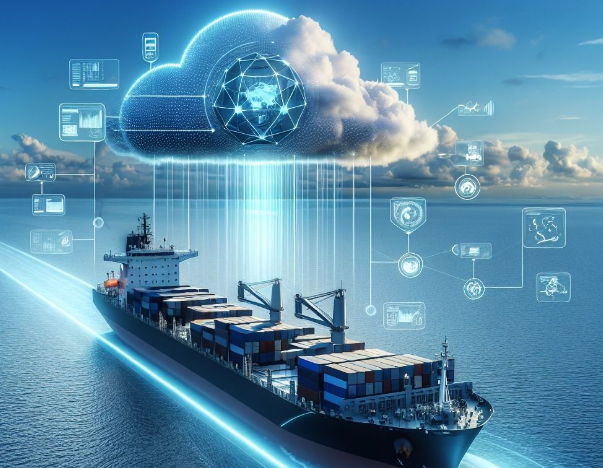
India’s export growth is opening up a new phase of opportunity for MSMEs. As global demand rises and supply chains become more interconnected, small businesses are finding it easier than ever to reach international markets. At the same time, this shift is pushing MSMEs to evolve—adopting digital tools, improving processes, and becoming more structured in how they operate. However, this growth also comes with its own set of challenges. Competition is intensifying, and compliance requirements are becoming more demanding, making it essential for MSMEs to adapt quickly.
What India’s Export Growth Means for MSMEs
One of the most significant changes is the expansion of global market access. Indian exports are growing across regions such as the United States, the UAE, Germany, and several emerging markets. For MSMEs, this means access to a wider customer base and the ability to diversify across geographies. Businesses are no longer limited by domestic demand; they now have the opportunity to scale globally and build more resilient revenue streams.
At the same time, MSMEs themselves are transforming into export powerhouses. With exports crossing ₹12.39 lakh crore and the number of exporters steadily rising, MSMEs are no longer peripheral players in global trade. They are becoming central to India’s export strategy, contributing significantly to economic growth and employment.
However, with growth comes increased competition. As more Indian businesses enter international markets, MSMEs are not only competing with each other but also with established players from countries like China and Vietnam. This shift demands a stronger focus on quality, pricing strategies, and overall efficiency. Simply entering the market is no longer enough—sustaining and scaling requires a competitive edge.
Another critical shift is the rising importance of trade compliance. As exports increase, regulations are becoming stricter, with greater scrutiny on documentation, customs procedures, and international standards. Even minor errors can delay shipments, block payments, or increase operational costs. This growing complexity is pushing MSMEs to move away from manual processes and adopt automation and AI-driven systems that can ensure accuracy and consistency.
India’s relatively small share in global merchandise exports also highlights a major opportunity. With only about 1.8% of global trade, there is immense room for expansion. MSMEs can leverage this by integrating into global supply chains, becoming suppliers to larger companies, and participating in broader manufacturing ecosystems. Strategic partnerships and collaborations will play a key role in this journey.
At the same time, digital transformation is no longer optional. As export volumes increase, traditional manual processes struggle to keep up with the required speed and scale. MSMEs need to adopt digital documentation, automated workflows, and intelligent systems that can streamline operations and reduce errors. Those who delay this transition risk falling behind in an increasingly fast-paced trade environment.
Government support is further accelerating this shift. With ambitious targets such as reaching $2 trillion in exports by 2030, policies and incentives are being designed to encourage export-led growth. MSMEs that align early with these initiatives are more likely to benefit, scale faster, and gain a strong first-mover advantage in global markets.
“India’s export growth is not just an economic trend—it’s a structural shift. MSMEs that embrace digital tools and compliance automation today will become global leaders tomorrow.”
What MSMEs Should Do Next
To truly capitalize on this opportunity, MSMEs need to rethink how they operate. Strengthening compliance and ensuring accuracy in documentation should be a priority, as even small mistakes can have significant consequences in international trade. At the same time, adopting AI-driven tools can improve efficiency and reduce operational burdens, allowing businesses to focus on growth rather than manual processes.
Exploring new international markets will be equally important, especially as demand diversifies across regions. Finally, building scalable, digital-first operations will determine long-term success. MSMEs that invest in the right systems today will be better positioned to handle future growth and complexity.