
Global shipping is undergoing a major transformation as companies increasingly adopt real-time trade intelligence systems to improve visibility, reduce delays, and manage supply chain risks. In 2026, shipping operations are no longer driven only by traditional logistics planning and manual tracking methods. Businesses now rely on live trade data, AI-powered analytics, predictive supply chain systems, and digital monitoring platforms to make faster and smarter decisions.
As global trade becomes more volatile due to geopolitical tensions, sanctions, port congestion, climate disruptions, and shifting trade routes, real-time trade intelligence is becoming one of the most valuable tools in international shipping. Companies that can access accurate, live shipping and trade information are gaining a major competitive advantage in logistics efficiency and supply chain resilience.
What Is Real-Time Trade Intelligence?
Real-time trade intelligence refers to the use of live shipping data, AI-driven analytics, customs information, satellite tracking, market signals, and supply chain monitoring systems to track and optimize global trade operations continuously.
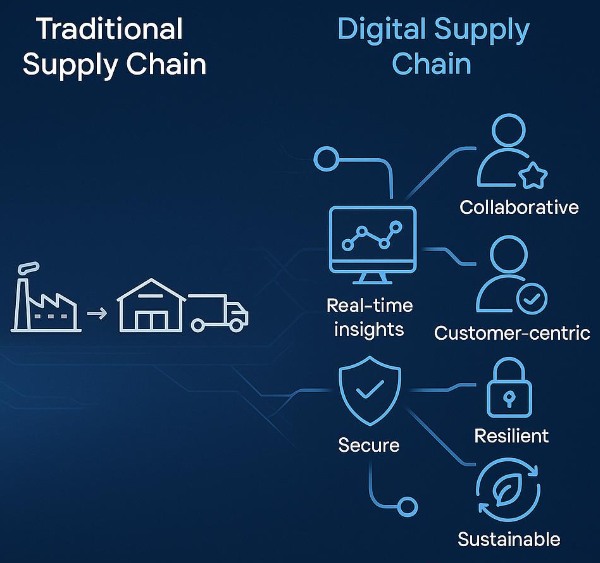
Instead of relying on outdated shipment updates or static reporting systems, companies can now monitor cargo movement, freight costs, port activity, weather disruptions, customs processing, and geopolitical risks in real time. This shift is transforming how exporters, importers, freight forwarders, and logistics providers manage international shipping operations.
Modern trade intelligence systems can now provide:
Live cargo tracking
Port congestion updates
Customs clearance monitoring
Freight rate analysis
Sanctions and compliance alerts
Route optimization insights
Predictive supply chain risk assessments
Businesses are increasingly using these systems to reduce operational uncertainty and respond faster to disruptions affecting global shipping networks.
Why Shipping Companies Need Real-Time Visibility
The global shipping industry has faced repeated disruptions over the past few years, including container shortages, geopolitical conflicts, Red Sea shipping risks, port congestion, sanctions-related delays, and rising freight volatility.
Traditional supply chain systems often fail to provide early warning signals during these disruptions. Real-time intelligence platforms help companies react more quickly by identifying risks before they escalate into major operational problems.
How Real-Time Intelligence Improves Shipping Operations
Shipping companies are now using real-time intelligence tools to reroute cargo around congested ports, monitor changing freight rates, identify customs bottlenecks, and optimize inventory planning. This level of visibility helps reduce delays, improve customer communication, and lower logistics costs.
Trade experts note that supply chain visibility is becoming a critical business requirement rather than a competitive luxury.
AI Is Powering the Next Generation of Shipping Intelligence
Artificial intelligence is playing a major role in the evolution of trade intelligence systems. AI-powered platforms can process enormous amounts of shipping, customs, weather, and trade data much faster than traditional logistics systems. These platforms are increasingly capable of predicting shipment delays, identifying compliance risks, forecasting freight demand, and recommending alternative trade routes automatically.
AI systems can also analyze:
Historical shipping patterns
Port congestion trends
Customs inspection risks
Fuel price fluctuations
Weather disruptions
Geopolitical developments
This allows businesses to make proactive logistics decisions instead of reacting after disruptions occur. Industry analysts expect AI-driven logistics platforms to become standard across global shipping and freight operations over the next few years.
Real-Time Intelligence Is Improving Trade Compliance
Trade intelligence is not only improving logistics efficiency. It is also helping businesses manage growing compliance requirements in international trade.
Modern shipping companies must navigate sanctions regulations, export controls, ESG reporting requirements, customs compliance rules, and restricted-party screening obligations. Real-time trade intelligence systems can now automatically monitor transactions and identify potential compliance risks before shipments move across borders.
For exporters and logistics providers, this is becoming increasingly important because regulators expect stronger supply chain transparency and documentation accuracy. Businesses using integrated compliance intelligence systems are generally better prepared to handle customs inspections, sanctions screening, and trade audits.
The Rise of Predictive Supply Chains
One of the biggest changes in global shipping is the shift from reactive supply chains to predictive supply chain systems. Traditional logistics models relied heavily on historical planning and manual coordination. Modern trade intelligence platforms now use predictive analytics to forecast disruptions and optimize supply chain performance continuously.
Predictive supply chains can help businesses anticipate:
Port congestion
Shipment delays
Demand fluctuations
Weather-related disruptions
Inventory shortages
Freight price spikes
This allows companies to make faster operational decisions and reduce supply chain uncertainty. As shipping networks become more interconnected and complex, predictive intelligence is expected to become one of the most valuable capabilities in global trade management.
Why Real-Time Trade Intelligence Matters for Exporters
Exporters are among the biggest beneficiaries of real-time trade intelligence systems. Many exporters still struggle with shipment visibility, customs delays, inaccurate documentation, and supply chain coordination challenges.
Real-time intelligence platforms help exporters improve:
Shipment tracking accuracy
Customer communication
Documentation management
Freight planning
Customs coordination
Inventory forecasting
Supply chain resilience
For MSME exporters especially, access to digital trade intelligence tools can significantly improve operational efficiency and international competitiveness.
The Future of Global Shipping
The future of global shipping will likely be more digital, data-driven, and automated than ever before. Real-time trade intelligence is becoming a central pillar of modern supply chain management as businesses seek faster decision-making, stronger compliance capabilities, and greater operational visibility.
As AI, automation, predictive analytics, and digital trade platforms continue to evolve, companies that invest early in real-time intelligence systems may gain a significant advantage in the increasingly competitive global shipping industry. In 2026 and beyond, global trade will not simply depend on moving goods efficiently. Success will increasingly depend on how quickly businesses can access, analyze, and act on real-time trade information.