
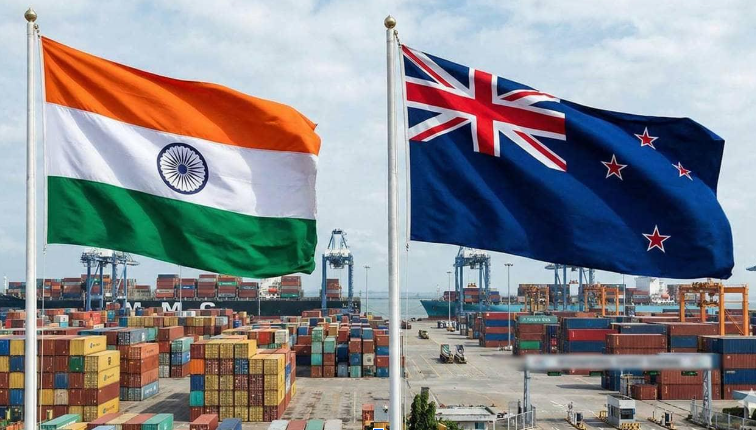
IN India–New Zealand FTA: How Zero Tariffs Will Boost Indian Exports
India’s Free Trade Agreement with New Zealand is being called a “once-in-a-generation” deal. The agreement removes tariffs on 100% of Indian exports. It also opens more than 100 service sectors. It makes it easier for professionals to work across borders. In addition, it includes an investment commitment of nearly $20 billion over the next 15 years.
Together, these changes go beyond a typical trade deal. They signal a structural shift. The goal is not rapid growth in trade volumes. Instead, the focus is on better margins, wider market access, and stronger supply chains.
Low Volume, High Leverage Opportunity
The trade relationship between India and New Zealand is still small. Total bilateral trade is about $1.7 to $2.0 billion. India exports around $600 to $800 million. Imports are higher at $1.0 to $1.2 billion. This creates a trade deficit for India.
Compared to India’s total trade of over $1.6 trillion, New Zealand is a very small partner. It accounts for less than 0.2 percent. However, this does not mean it lacks importance. New Zealand is a high-income market. Gains here come from value, not volume. Exporters earn more per unit rather than selling large quantities.
Even if exports double, the impact on India’s overall trade will be limited. But at the company level, margins can improve a lot. This makes the deal attractive for exporters who focus on profit, not scale.
Tariff Elimination gives a Clear Cost Advantage
Before the agreement, Indian goods faced tariffs of 5 to 10 percent. Some products faced duties as high as 15 percent. Now, tariffs have been reduced to zero. This change lowers the final price of goods. For example, a product priced at $100 earlier landed at about $110 with a 10 percent tariff. Now, it can be sold at $100. This creates a price advantage of about 9 to 12 percent.
In global trade, even a 5 percent advantage can influence buyers. A 10 percent advantage can shift suppliers. Buyers often switch to cheaper sources. This allows Indian exporters to increase margins or reduce prices to gain market share.
Sectoral Impact: Where Gains Will Concentrate
The benefits of this deal will not be equal across all sectors. Gains will focus on industries where India already has strength.
Textiles and apparel will benefit because pricing is critical in this sector. Even a small cost drop can shift orders.
Pharmaceuticals will gain due to India’s strong manufacturing base. Indian medicines are already accepted in many regulated markets.
Engineering goods will also benefit. Earlier tariffs reduced their competitiveness. Now they can compete better in business contracts.
Processed food may see some gains. However, results will depend on regulations and domestic protections.
Overall, the deal favors mid-value manufacturing more than raw commodities.
Market Reality: Small Size, High Value
New Zealand has a population of about five million. This makes it easy to overlook. But its economy tells a different story.
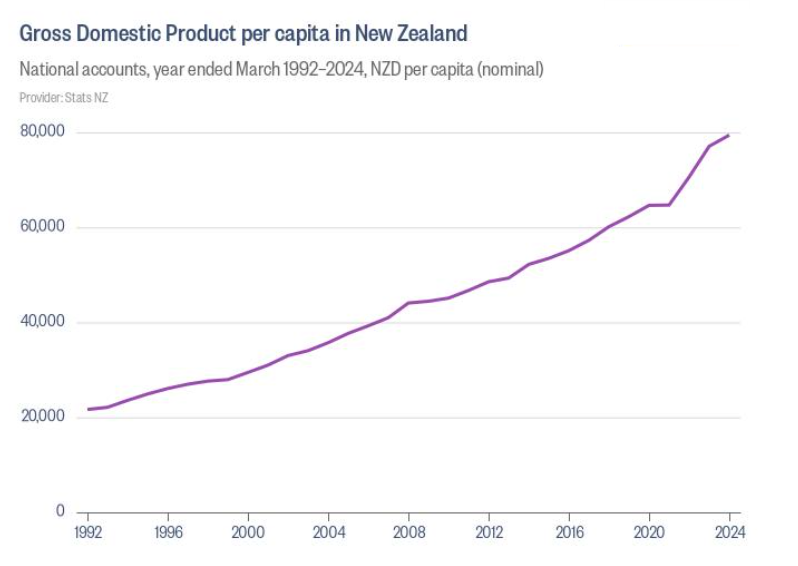
Its GDP per capita is above $48,000. This means strong purchasing power. The country also depends heavily on imports for manufactured goods. New Zealand follows high standards similar to developed markets. This makes it a good testing ground for Indian exporters. If a product succeeds here, it has a better chance in markets like Australia or Europe.
In this way, New Zealand is not just a market. It is a gateway to developed economies.
Services and Mobility: A Trade Multiplier
The agreement opens more than 100 service sectors. These include IT, finance, education, and consulting. It also makes it easier for Indian professionals to work in New Zealand.
This supports trade in a direct way. Trade depends on relationships, not just shipments. Having professionals on the ground helps companies close deals faster. It also improves compliance and communication.
Evidence from other agreements shows that mobility increases trade growth. When people move, business moves faster.
Investment Flows: Building Future Strength
The agreement includes a $20 billion investment plan over 15 years. Not all of it will come at once. But even partial investment can make a difference.
If half the amount is used, annual inflows could reach $650 to $700 million. Investment in infrastructure can reduce logistics costs. Funding in green energy and manufacturing can increase production capacity. Over time, this improves export competitiveness. Costs fall and efficiency rises.
For traders, this is a long-term benefit. It adds to the short-term gains from tariff removal.
India has protected sensitive sectors like dairy and some agriculture products. This prevents sudden pressure from imports. This creates a balanced structure. Export opportunities increase, but risks stay limited.
For Indian businesses, this makes the deal more stable and predictable.
Conclusion: From Policy to Advantage
The India–New Zealand FTA will not change India’s total trade numbers in a big way. But that is not its main purpose.
Its real value lies in the advantages it creates for exporters. The deal removes tariffs, improves access, and supports mobility. It also brings investment. Together, these changes improve how Indian firms compete. Exporters can gain a price advantage of 10 to 15 percent. They also get access to a high-income market. Over time, this can help them expand into other developed regions. The benefits will not come automatically. Companies must act on them. Those who move early and plan well can build a strong edge in global trade.