
India and Germany are entering a new phase of industrial and logistics collaboration, driven by supply chain diversification, manufacturing expansion, and growing global trade opportunities. Industry leaders now believe that platforms such as LogiMAT India could catalyse more than $7.5 billion in bilateral logistics and investment growth between the two countries over the coming years. According to the leadership of VDMA India, logistics partnerships and industrial technology cooperation are becoming central to strengthening Indo-German trade relations.
As global supply chains continue to shift after years of geopolitical disruptions, both India and Germany are focusing heavily on resilient manufacturing ecosystems, warehouse automation, smart logistics infrastructure, and digital supply chain transformation. This has increased the strategic importance of trade exhibitions and industrial networking platforms like LogiMAT India, which connect logistics providers, manufacturers, automation companies, and technology innovators under one ecosystem.
India and Germany Are Expanding Industrial Trade Partnerships
Germany has long been one of India’s strongest industrial and engineering partners. From automotive manufacturing and industrial machinery to warehouse automation and supply chain technology, German companies continue to invest heavily in India’s growing manufacturing sector.
India’s rapid infrastructure development, expanding industrial corridors, and government initiatives such as “Make in India” are attracting global logistics and manufacturing investments. At the same time, German businesses are seeking reliable alternatives for supply chain diversification amid changing global trade conditions.
Industry experts believe this combination creates a major opportunity for both countries to deepen cooperation in logistics technology, warehousing systems, industrial automation, and freight infrastructure. Platforms such as LogiMAT India are increasingly becoming business hubs where partnerships, investments, and technology transfers are initiated.
Key Areas Driving India-Germany Logistics Collaboration
The collaboration between India and Germany is being fueled by several major trends. Growing demand for warehouse automation, rising investment in smart manufacturing, increased focus on supply chain resilience, and the expansion of multimodal logistics infrastructure are reshaping trade opportunities between the two economies.
German engineering companies are especially interested in India’s fast-growing logistics market, which is expected to benefit from increasing e-commerce demand, infrastructure modernization, and manufacturing exports. India, on the other hand, is looking to adopt advanced logistics technologies and automation systems that improve operational efficiency and reduce supply chain costs.
Why Logistics Is Becoming a Strategic Industry
The global logistics industry has evolved far beyond transportation and warehousing. Today, logistics plays a direct role in manufacturing competitiveness, export efficiency, and economic growth.
Companies now require real-time supply chain visibility, AI-enabled warehouse systems, robotics-driven material handling, and predictive logistics planning. This has increased demand for industrial technology providers and logistics automation companies.
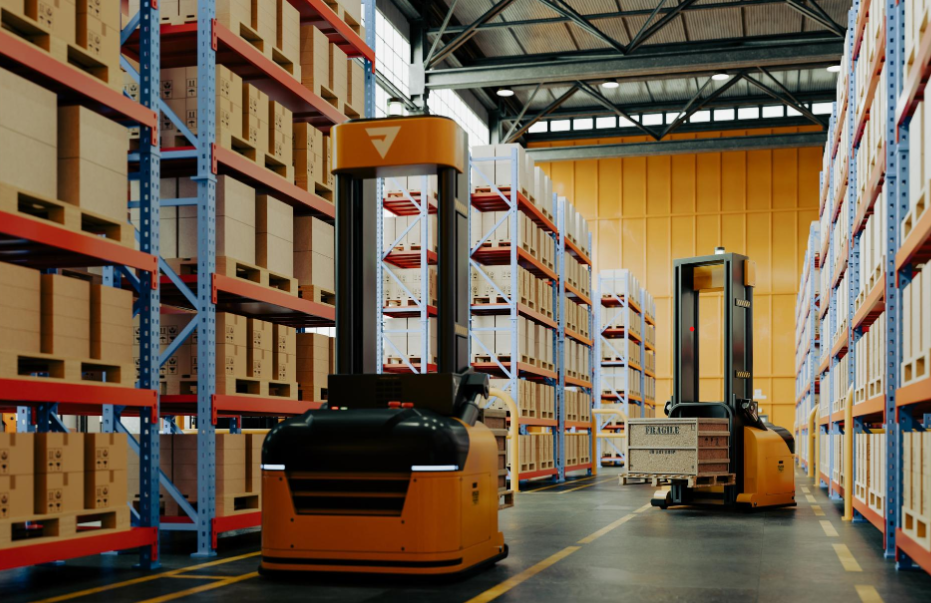
Trade platforms like LogiMAT India allow businesses to showcase innovations in areas such as:
Warehouse automation
Smart intralogistics
AI-powered supply chain management
Robotics and material handling
Digital freight systems
Sustainable logistics solutions
As businesses continue to prioritize efficiency and supply chain resilience, industrial logistics exhibitions are becoming major catalysts for international partnerships and investments.
The Future of Smart Logistics in India
India’s logistics sector is undergoing rapid modernization. Government investments in highways, freight corridors, ports, and industrial zones are helping create a stronger logistics backbone for exports and manufacturing.
The country’s push toward digitalization is also encouraging adoption of AI-based inventory systems, warehouse robotics, IoT-enabled tracking, and cloud-based logistics management platforms. German companies with expertise in industrial engineering and logistics automation are expected to play a major role in this transformation.
Supply Chain Diversification Is Creating New Opportunities
One of the biggest global business trends today is supply chain diversification. Companies worldwide are reducing overdependence on single-country sourcing models and are actively searching for alternative manufacturing and logistics hubs.
India is emerging as a strong alternative because of its growing industrial base, improving infrastructure, skilled workforce, and expanding export capabilities. Germany sees India as a long-term strategic manufacturing and logistics partner that can support resilient global supply chains.
This shift is expected to increase bilateral investments in logistics parks, industrial warehousing, automation technologies, and smart manufacturing systems. Industry experts believe that collaborative industry platforms can accelerate these investments by connecting businesses, investors, and technology providers in one ecosystem.
The Bigger Picture for Global Trade
The growing partnership between India and Germany reflects a broader transformation happening in global trade. Countries are no longer competing only on manufacturing costs. Supply chain resilience, logistics efficiency, digital infrastructure, and sustainability are becoming equally important.
For India, this presents a major opportunity to position itself as a global logistics and manufacturing hub. For Germany, collaboration with India offers access to one of the world’s fastest-growing industrial economies and a rapidly expanding logistics market.
As trade relationships evolve, platforms like LogiMAT India may play a much larger role than traditional exhibitions. They could become strategic business ecosystems that drive investment, industrial partnerships, and the future of smart global supply chains.